Read Our Blogs

Why Managed IT Services Are Essential for Growing Businesses
As businesses expand, their technology requirements become more complex. From maintaining secure networks and managing data to supporting remote teams and ensuring system uptime, handling IT operations internally can quickly become overwhelming. This is where managed IT services play a crucial role. By partnering with a managed IT service provider, businesses gain access to expert technical support, proactive monitoring, and scalable solutions that help them focus on growth rather than technology challenges
1. Cost-Effective IT Management
Hiring and maintaining a full in-house IT department can be expensive, especially for small and medium-sized businesses. Managed IT services provide access to a team of experienced professionals at a predictable monthly cost. This allows businesses to reduce operational expenses while receiving high-quality technical support and expertise.
2. Enhanced Cybersecurity Protection
Cyber threats continue to evolve, making security a top priority for growing businesses. Managed IT providers implement advanced security measures such as firewall management, endpoint protection, data encryption, threat monitoring, and regular security updates. These proactive strategies help safeguard sensitive business data and reduce the risk of costly cyberattacks.
3. Proactive Monitoring and Maintenance
Rather than waiting for systems to fail, managed IT services continuously monitor networks, servers, and devices to identify potential issues before they become major problems. Regular maintenance, software updates, and performance optimization help ensure smooth operations, minimizing downtime and improving productivity.
4. Access to Expert Knowledge
Technology changes rapidly, and keeping up with the latest advancements can be challenging. Managed IT service providers employ specialists with expertise across various technologies, including cloud computing, cybersecurity, networking, and data management. Businesses benefit from professional guidance and industry best practices without investing in ongoing staff training.
5. Improved Business Productivity
Technical issues can disrupt daily operations and impact employee efficiency. Managed IT services provide fast support and troubleshooting, ensuring that technology-related problems are resolved quickly. Employees can focus on their core responsibilities while IT experts handle system maintenance and support.
6. Scalable Solutions for Growth
As a business grows, its IT infrastructure must adapt to changing needs. Managed IT services offer scalable solutions that can easily accommodate increased workloads, new employees, additional locations, and evolving technology requirements. This flexibility supports long-term business expansion without major infrastructure challenges.
7. Reliable Data Backup and Disaster Recovery
Data loss can have serious consequences for any organization. Managed IT providers implement comprehensive backup and disaster recovery strategies to protect critical business information. In the event of hardware failure, cyberattacks, or natural disasters, businesses can quickly recover data and resume operations with minimal disruption.
8. Better Compliance and Risk Management
Many industries have strict regulatory requirements regarding data security and privacy. Managed IT service providers help businesses maintain compliance by implementing proper security controls, documentation, and monitoring practices. This reduces legal risks and helps organizations meet industry standards confidently.
9. Support for Remote and Hybrid Workforces
Modern businesses increasingly rely on remote and hybrid work models. Managed IT services provide secure remote access solutions, cloud-based collaboration tools, and reliable technical support to ensure employees can work efficiently from any location while maintaining security and productivity.
10. Focus on Core Business Objectives
Managing IT infrastructure can divert valuable time and resources away from strategic business activities. By outsourcing IT management to professionals, business owners and employees can focus on serving customers, developing products, and driving growth while leaving technology management in expert hands.
Conclusion
Managed IT services have become an essential investment for growing businesses seeking reliable, secure, and scalable technology solutions. From reducing costs and improving cybersecurity to enhancing productivity and supporting business growth, managed IT providers deliver the expertise and resources needed to navigate today's technology-driven business environment. Organizations that leverage managed IT services can operate more efficiently, minimize risks, and maintain a competitive advantage in an increasingly digital marketplace.
Transform Your Operations with Expert IT Solutions from EFD Group
Best Wishes
EFD Group
Division | IT Solutions

Best Cloud Computing Solutions for Growing Companies
In today’s fast-moving digital world, cloud computing has become one of the most important technologies for growing businesses. From startups to expanding enterprises, companies are using cloud solutions to improve productivity, reduce operational costs, enhance security, and support remote work environments. Cloud computing allows businesses to store data, run applications, collaborate in real time, and scale resources without investing heavily in physical infrastructure.
Whether it’s managing customer data, hosting websites, running business applications, or improving team communication, the right cloud solution helps companies stay competitive and future-ready. Choosing reliable cloud services also ensures better flexibility, automatic backups, advanced cybersecurity, and smooth business operations as organizations continue to grow.
1. Cloud Storage Solutions
Cloud storage platforms help businesses securely store, manage, and access files from anywhere in the world. These solutions improve collaboration between teams and reduce dependency on physical storage devices. Companies can easily scale storage capacity as their business grows while maintaining data security and automatic backup features.
2. Cloud-Based Collaboration Tools
Modern businesses rely on cloud collaboration tools for communication, project management, and remote teamwork. These platforms allow employees to share files, conduct video meetings, manage tasks, and work together in real time. Cloud collaboration increases efficiency and supports flexible work environments for growing companies.
3. Cloud Security Services
Cybersecurity is a major concern for businesses handling sensitive customer and company data. Cloud security solutions provide data encryption, threat monitoring, secure access control, and automatic updates to protect business operations from cyber threats. Strong cloud security helps companies maintain trust and business continuity.
4. Infrastructure as a Service (IaaS)
IaaS solutions provide virtual servers, networking, and storage resources over the internet. Businesses can avoid expensive hardware investments while gaining flexible computing power that can scale according to demand. This makes IaaS ideal for startups and growing organizations needing cost-effective IT infrastructure.
5. Software as a Service (SaaS)
SaaS platforms allow businesses to use software applications through the cloud without installing them locally. Popular business tools like CRM systems, accounting software, and customer support platforms operate on SaaS models. These services improve accessibility, simplify updates, and reduce maintenance costs.
6. Cloud Backup and Disaster Recovery
Unexpected system failures, cyberattacks, or data loss can severely impact business operations. Cloud backup and disaster recovery solutions ensure important data is safely stored and quickly recoverable during emergencies. This helps companies minimize downtime and maintain operational stability.
Conclusion
Starting with the right set of tools can make a huge difference in how fast you learn and how confidently you build. These 10 tools are free, beginner-friendly, and widely used in the industry—so you are setting yourself up for success from day one.
Transform Your Operations with Expert IT Solutions from EFD Group
Best Wishes
EFD Group
Division | IT Solutions
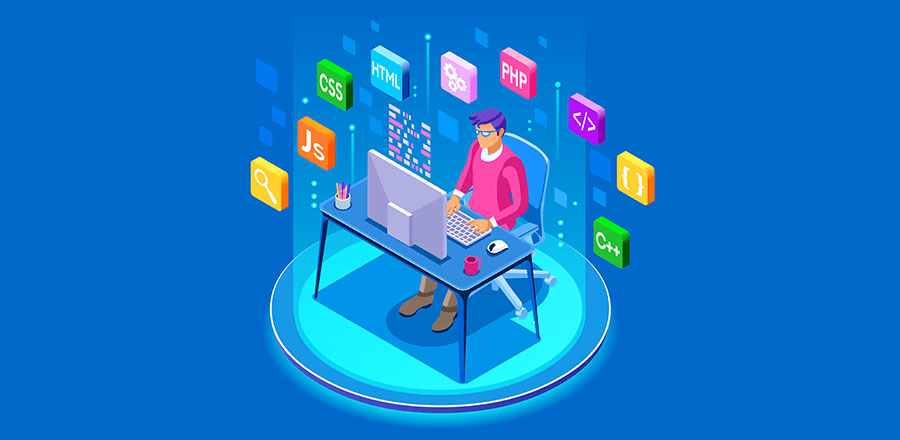
Top 10 Free Tools Every New Web Developer Should Use
Starting out in web development? The good news is you don’t need to invest in expensive software or platforms to get going. There are plenty of powerful and free tools that can help you code, design, debug, and deploy websites with ease.
Whether you’re learning the ropes or working on your first few projects, these tools will supercharge your workflow and help you become a more efficient, confident developer.
Let’s dive into the Top 10 free tools every new web developer should use:
1. Visual Studio Code (VS Code)
A lightweight yet powerful code editor developed by Microsoft. It supports multiple languages, has a huge extension library, and includes built-in Git support.
Best for: Writing, editing, and managing code
2. GitHub
GitHub is the world’s most popular platform for version control using Git. It’s where you store your code, collaborate with others, and manage open-source or personal projects.
Best for: Code collaboration and version control
3. CodePen
An online playground for HTML, CSS, and JavaScript. Perfect for quick experiments, animations, and front-end prototypes you can instantly preview in the browser.
Best for: Rapid prototyping and learning front-end
4. FreeCodeCamp
A completely free online platform offering coding lessons, projects, and certifications in web development and more.
Best for: Learning web development step by step
5. Google Chrome DevTools
Built into every Chrome browser, DevTools let you inspect, edit, and debug your website in real time. You can also test responsiveness and performance.
Best for: Debugging and testing in-browser
6. Figma
A free collaborative design tool for wireframing, UI/UX design, and prototyping. It’s especially useful when working with designers or planning layout structure.
Best for: Designing and collaborating on web layouts
7. Netlify
A simple and powerful hosting platform for static websites. With drag-and-drop deployment, Git integration, and free SSL, it's a top choice for front-end developers.
Best for: Hosting your web projects for free
8. W3Schools & MDN Web Docs
Two of the most trusted learning resources for developers. W3Schools is beginner-friendly, while MDN Web Docs (by Mozilla) offers in-depth, reliable documentation.
Best for: Learning syntax and finding quick references
9. Canva
While not strictly for developers, Canva is a great free tool for quickly creating visuals, banners, and mockups without needing advanced design skills.
Best for: Creating website graphics and marketing materials
10. Stack Overflow
Every developer’s best friend. Chances are, if you run into a coding problem, someone has asked (and answered) it on Stack Overflow.
Best for: Troubleshooting and finding coding solutions
Starting with the right set of tools can make a huge difference in how fast you learn and how confidently you build. These 10 tools are free, beginner-friendly, and widely used in the industry—so you are setting yourself up for success from day one.
Transform Your Operations with Expert IT Solutions from EFD Group
Best Wishes
EFD Group
Division | IT Solutions

The Future of Web Development: Trends to Watch in 2025
Web development is evolving faster than ever. From AI-powered interfaces to immersive user experiences, developers are pushing boundaries and redefining what’s possible online. In this post, we’ll explore the top trends shaping the future of web development—and how you can stay ahead of the curve.
Top 7 Digital Marketing Strategies:
1. AI & Automation in Web Design
Artificial intelligence is no longer just a buzzword. Tools like Copilot and ChatGPT are helping developers write cleaner code, generate content, and even design layouts.
2. Mobile-First & Responsive Design
With mobile traffic dominating the web, responsive design isn’t optional—it’s essential. Frameworks like Bootstrap and Tailwind CSS make it easier than ever to build fluid, mobile-friendly layouts.
3. Progressive Web Apps (PWAs)
PWAs combine the best of web and mobile apps. They’re fast, reliable, and work offline—perfect for users in low-connectivity areas.
4. Motion UI & Microinteractions
Subtle animations and transitions can elevate the user experience. Motion UI libraries help you add flair without sacrificing performance.
5. Accessibility & Inclusive Design
Designing for everyone isn’t just ethical—it’s smart. Accessible websites reach wider audiences and perform better in search rankings.
6. Jamstack & Headless Architecture
Modern web development is moving toward Jamstack and headless CMS tools like Strapi or Contentful—offering faster load times, better scalability, and stronger security by separating frontend from backend.
Web development is more than just code—it’s about crafting experiences. Whether you're a seasoned developer or just starting out, staying curious and adaptable is key. Keep learning, keep building, and keep pushing the web forward.
Transform Your Operations with Expert IT Solutions from EFD Group
Best Wishes
EFD Group
Division | IT Solutions
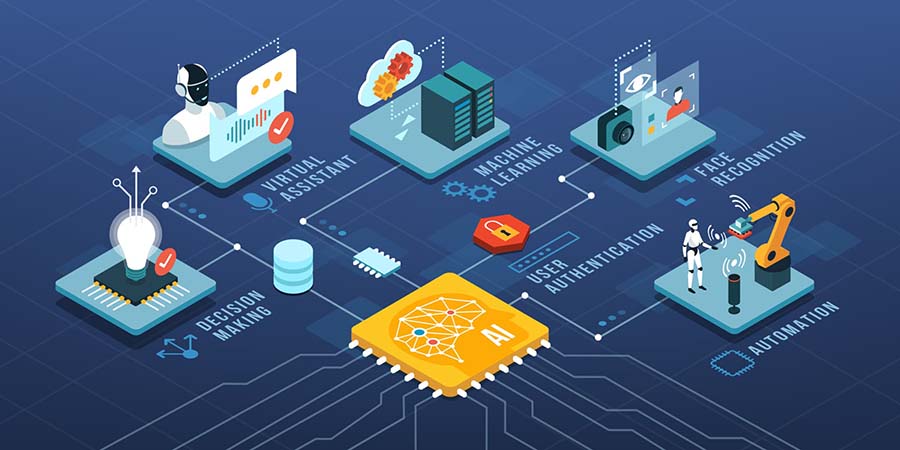
Top 10 IT Solutions Every Modern Business Needs
In today’s fast-paced digital economy, technology is no longer a luxury — it’s a necessity. Whether you're a startup or a well-established enterprise, the right IT solutions can significantly improve your efficiency, security, and scalability. With constant shifts in the tech landscape, staying updated with the essential tools and services is key to maintaining a competitive edge.
Here are the Top 10 IT solutions every modern business should consider in 2025 and beyond:
1. Managed IT Services
Outsourcing your IT needs to a managed service provider (MSP) gives you access to expert-level support without the overhead of a full-time team. From infrastructure management to routine maintenance and helpdesk support, MSPs allow you to focus on your core business while ensuring your IT environment runs smoothly.
2. Cloud Computing
Cloud solutions offer flexibility, scalability, and cost-efficiency. Whether it's public, private, or hybrid cloud, businesses can benefit from on-demand access to computing resources, reduced hardware costs, and enhanced collaboration tools like Microsoft 365 or Google Workspace.
3. Cybersecurity Solutions
As cyber threats evolve, so should your defenses. Every business needs a robust cybersecurity framework including firewalls, antivirus software, endpoint protection, threat detection systems, and regular security audits — to protect sensitive data and ensure compliance with industry regulations.
4. Data Backup & Disaster Recovery
Data is the backbone of any business. Implementing secure, automated data backup and disaster recovery (DR) plans ensures that your information is safe and your operations can continue after unexpected events like cyberattacks, hardware failure, or natural disasters.
5. Network Infrastructure Solutions
Strong, reliable networking is essential for daily operations. A professionally designed and managed network infrastructure including routers, switches, and Wi-Fi solutions — ensures smooth connectivity and high performance across your organization.
6. IT Helpdesk Support
Having reliable IT support means your team can resolve issues quickly, reduce downtime, and maintain productivity. A professional IT helpdesk provides remote and on-site support, ensuring minor issues don’t turn into major disruptions.
7. VoIP & Unified Communications
Voice over IP (VoIP) systems and unified communication platforms streamline internal and external communication. These solutions integrate voice, video, messaging, and conferencing tools — improving collaboration, especially for remote and hybrid teams.
8. IT Consulting & Strategy
Working with IT consultants helps align your tech investments with your business goals. Whether you're planning a digital transformation, scaling operations, or adopting new technologies, strategic IT consulting ensures that every step you take delivers ROI.
9. Business Continuity Planning
Beyond disaster recovery, a business continuity plan includes processes and systems to keep your business operational under any circumstance. IT plays a crucial role in identifying critical systems, dependencies, and recovery timelines.
10. Compliance & Risk Management
Modern businesses must navigate complex regulatory landscapes. IT solutions that support compliance — such as data encryption, audit logs, and access control — help you avoid costly penalties and build trust with your clients.
Investing in the right IT solutions is not just about keeping up with technology — it’s about staying ahead. With the right infrastructure, support, and security in place, your business can operate more efficiently, adapt to market changes, and deliver better value to your customers.
